search
California Rice Commission
WILDLIFE SALMON BLOG NEWS
MORE CLOSE
  • People
    • Chefs
    • Blogger Profiles
    • Photo Gallery
  • Economic Impact
  • Places
    • California Ports
    • Contacts
    • Photo Gallery
  • Ricelands
  • Environmental Benefits
  • Wildlife
    • Habitat Value
    • Species List
    • Conservation Programs
    • Wildlife Guide
    • Interactive Rice Field
    • Photo Gallery
  • Sharing Butte Creek
  • Industry
    • How Rice Grows
    • Water Quality
    • Crop Protection
    • Air Quality
    • Statistics
    • About the CRC
    • Publications
    • Ask an Expert
    • GMO Testing
  • News
  • Blog
    • Rice News
  • Salmon
  • Photo Gallery
  • Recipes
Contact Us
sacramentovalley.org
Facebook Twitter Instagram YouTube RSS

Environmental Benefits

Planted rice fields contribute to local communities, the state’s economy and have the unique ability to contribute to wildlife, the environment and broader ecosystem.
California rice is uniquely connected to the environment and the long-term survival of 230 wildlife species that depend on planted rice fields in the Sacramento Valley.

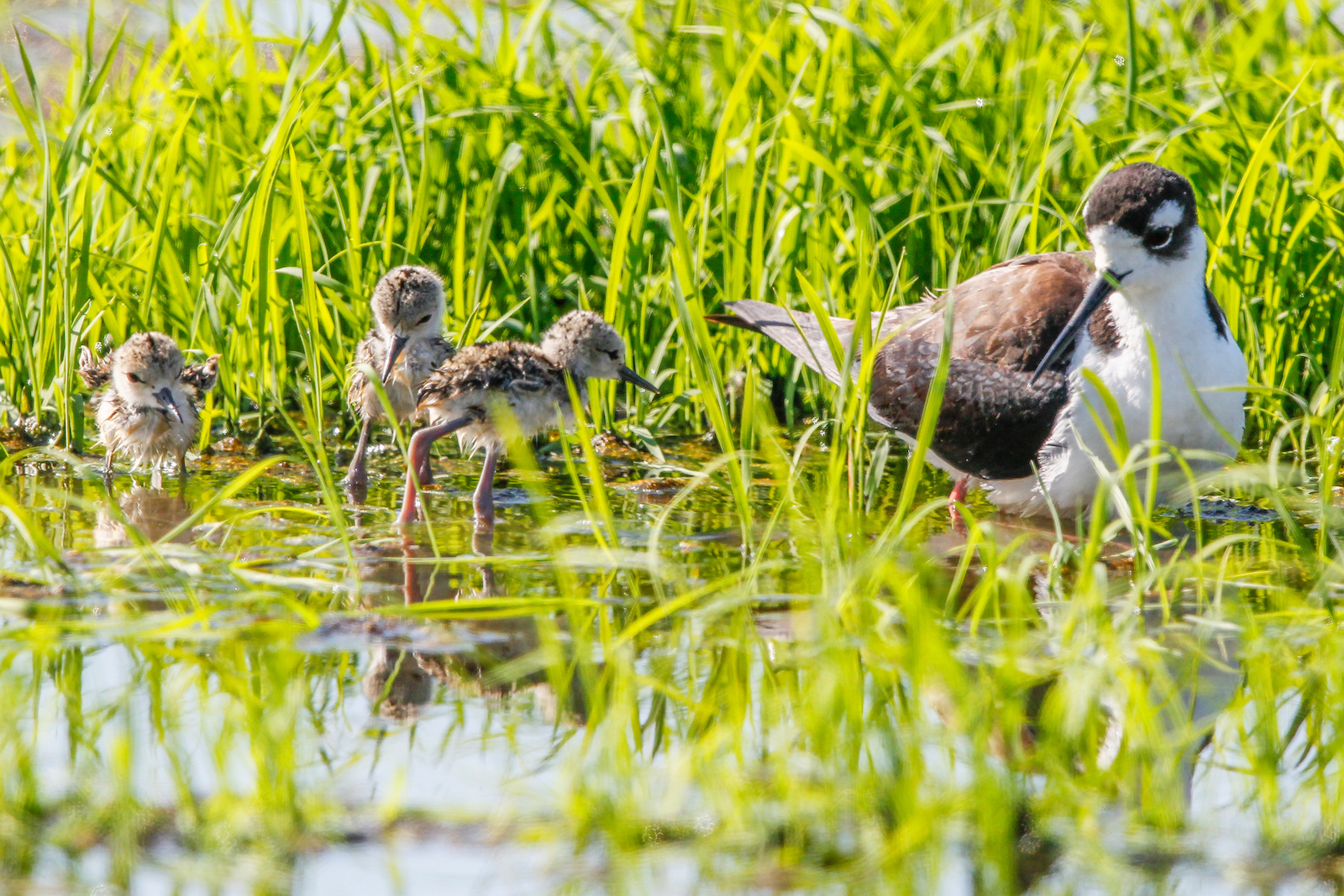
Baby birds
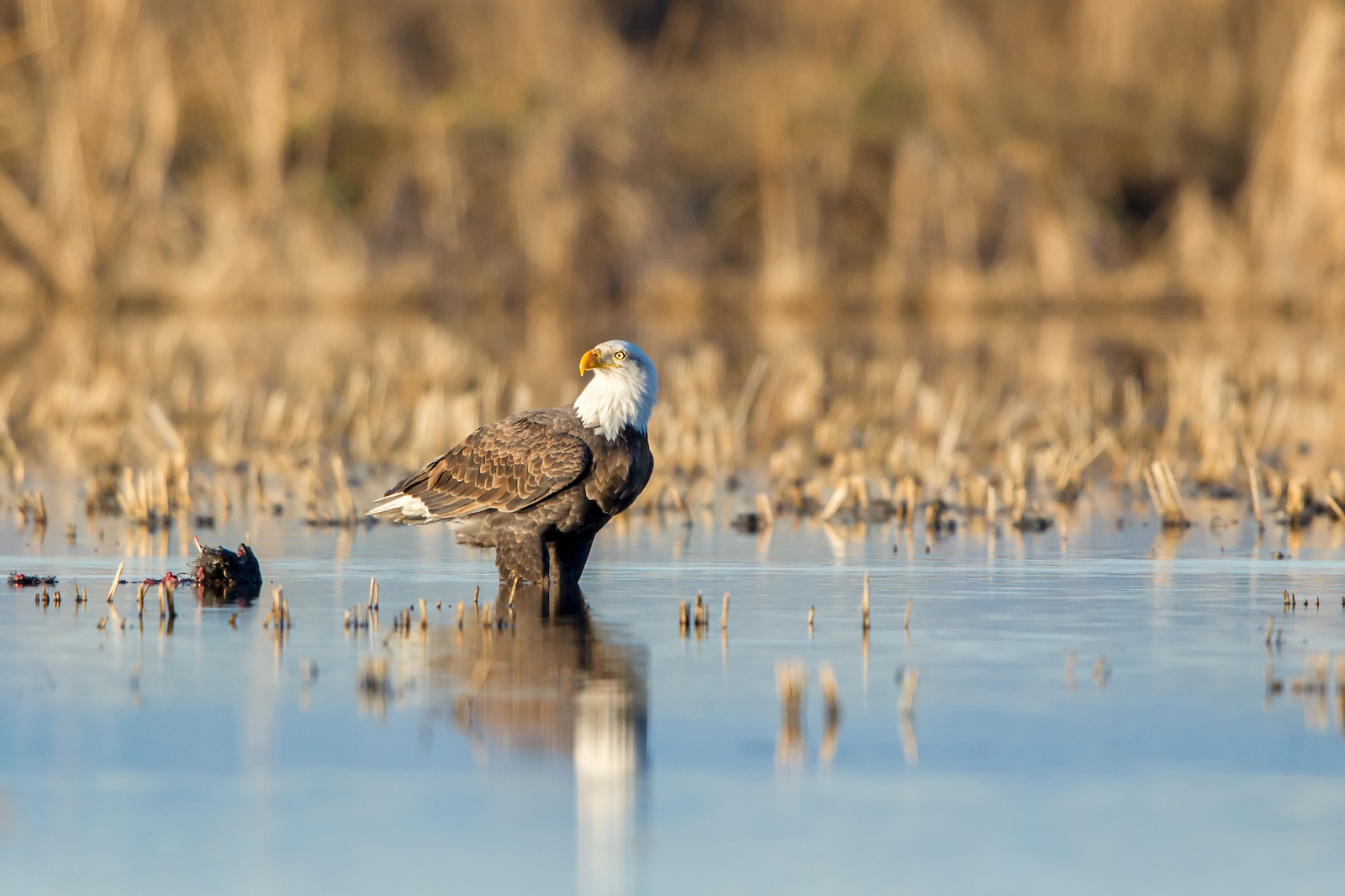
Bald eagle option 3

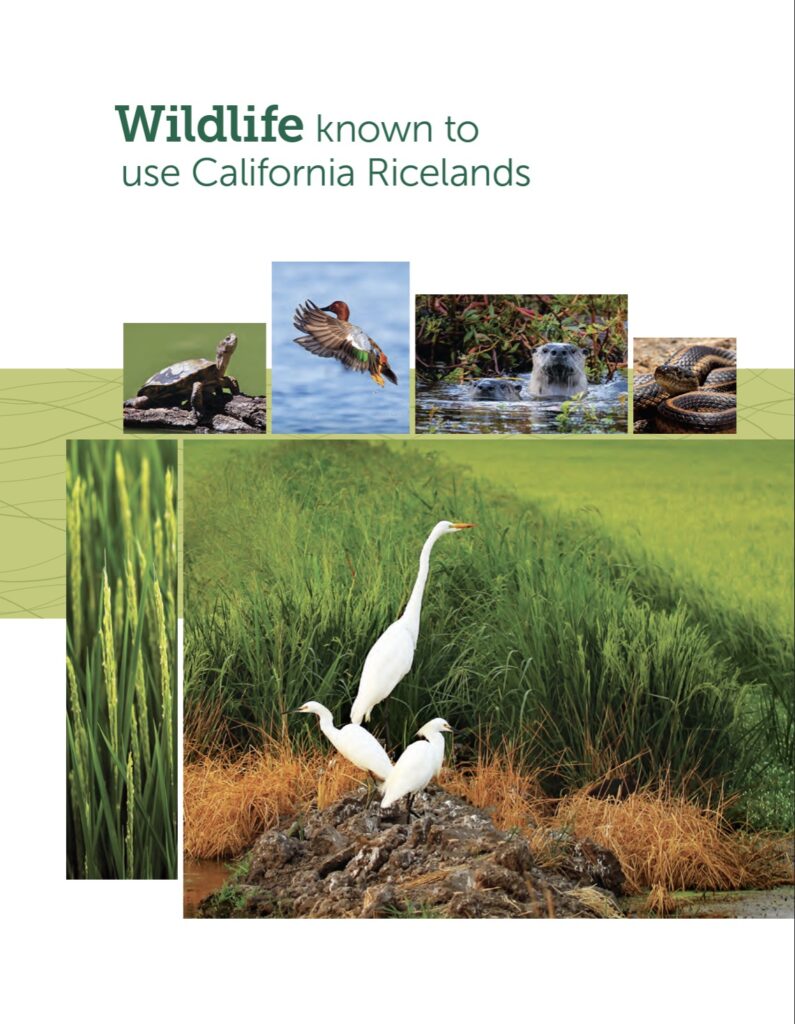
Every species from Swainson’s Hawks, Bald Eagles, Sandhill Cranes, River Otters, Western Pond Turtles, millions of migratory waterbirds traveling the Pacific Flyway, and the state and federally Threatened Giant Gartersnake all utilize the important habitat and food resources planted rice fields create.

With 95% of California’s historic wetlands now gone, rice fields now serve as critical surrogate wetland habitat for wildlife. Acquiring, restoring and replacing the wetland habitat and food resources for wildlife rice now provides would cost close to $3 Billion.
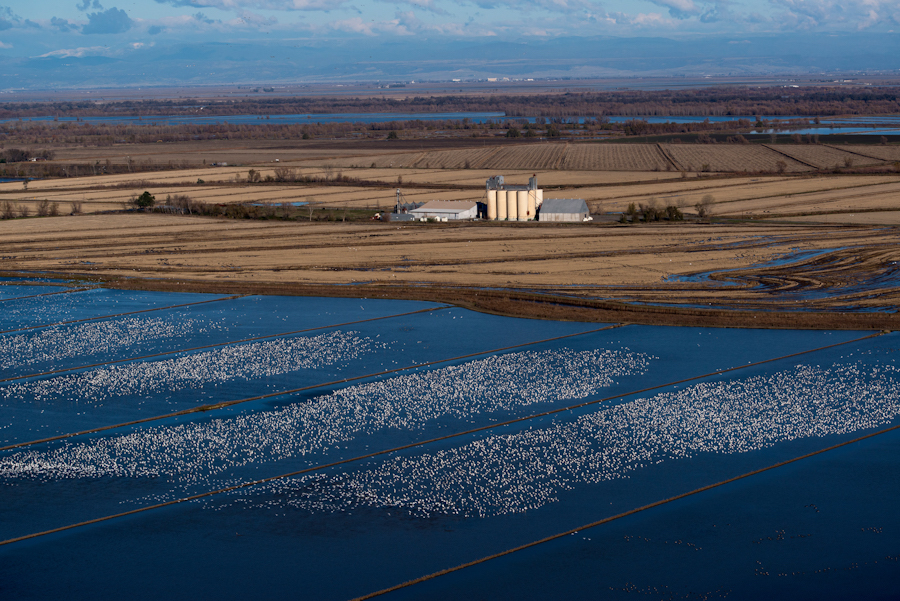
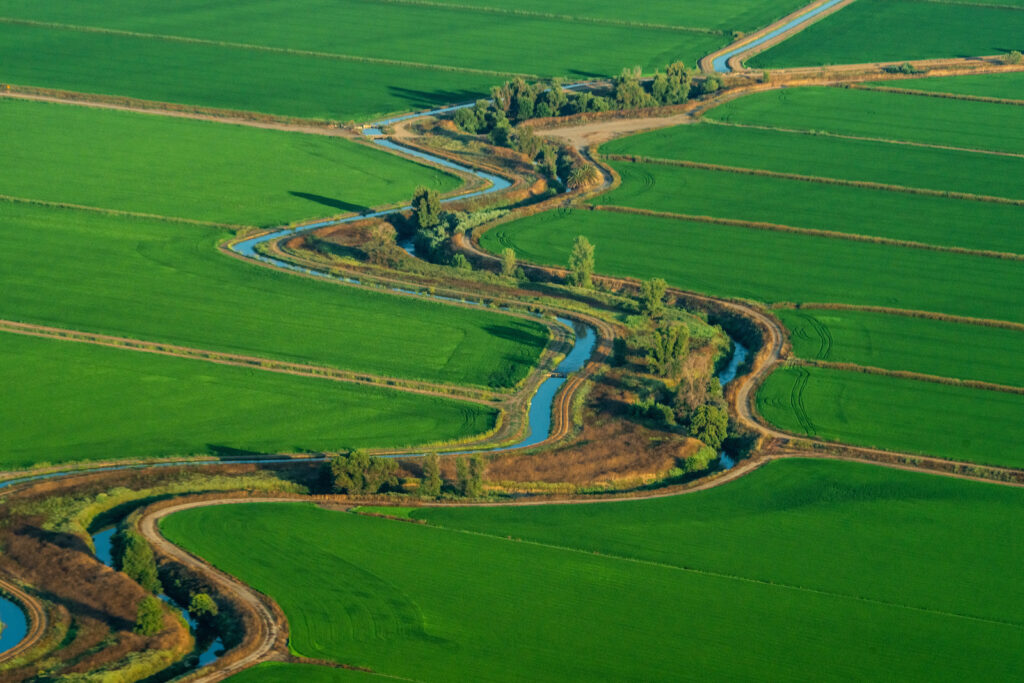
Rice fields from the aire near Willows CA., Thursday Dec 13, 2012
Photo Brian Baer
grind of geese
Geese close up

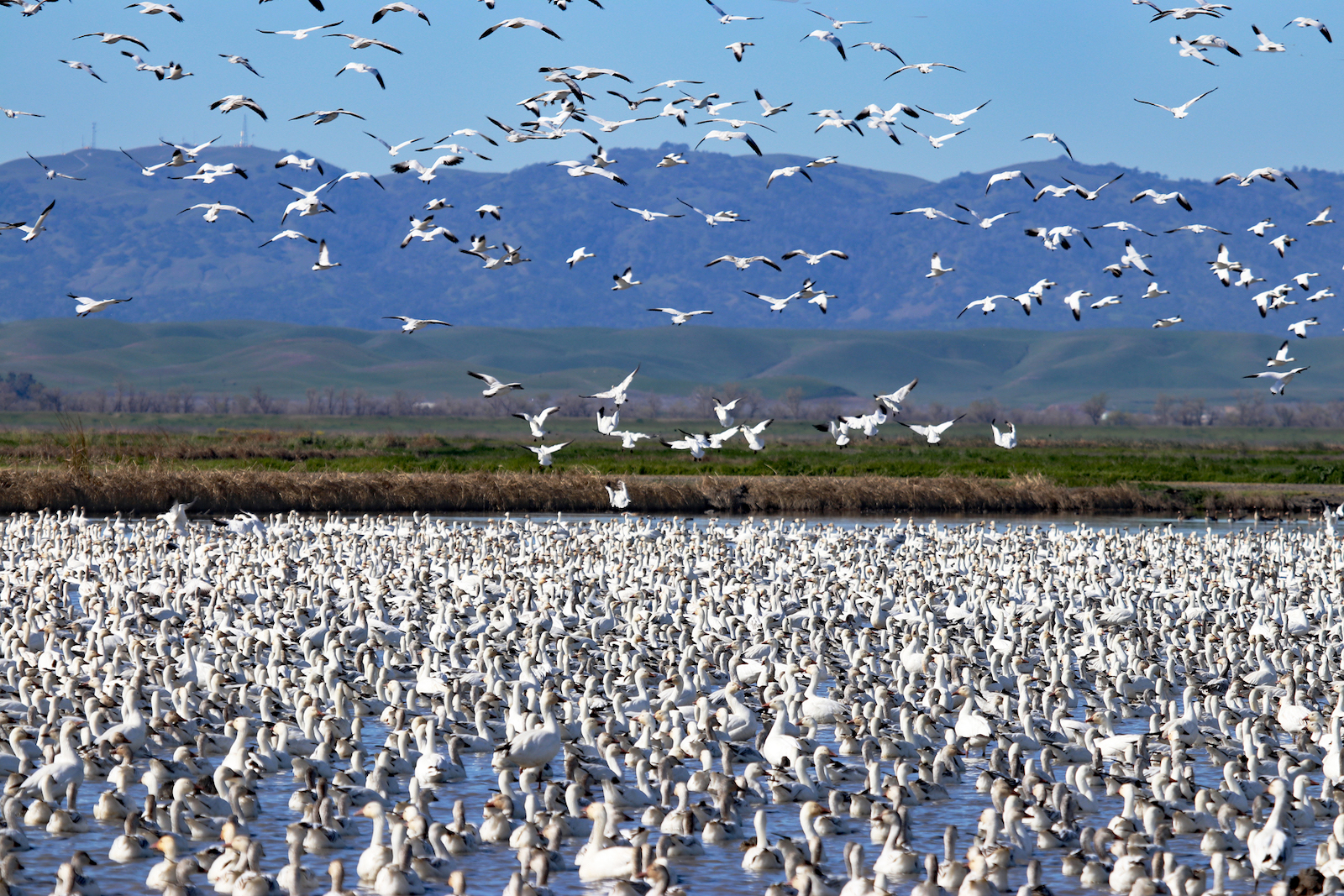
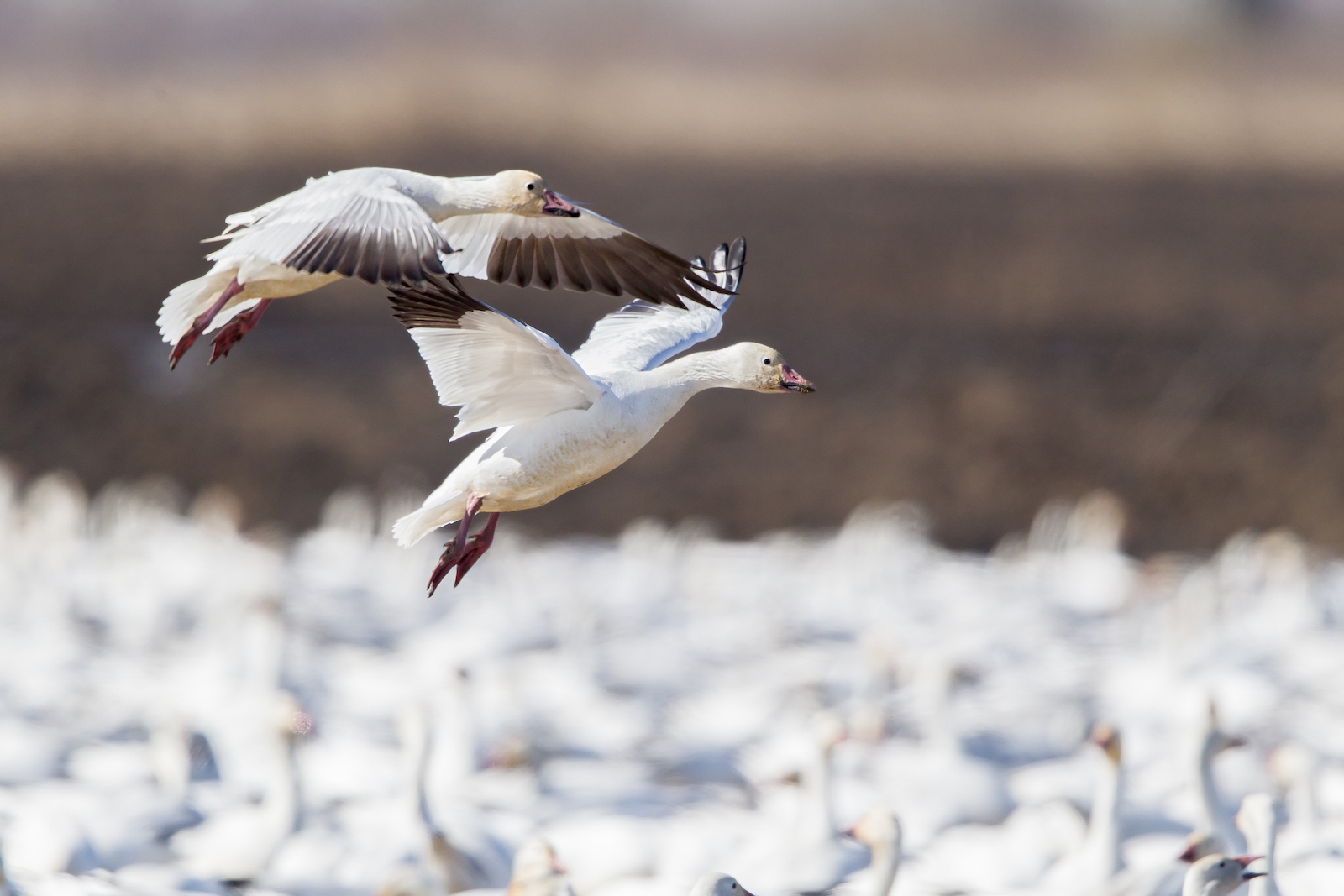
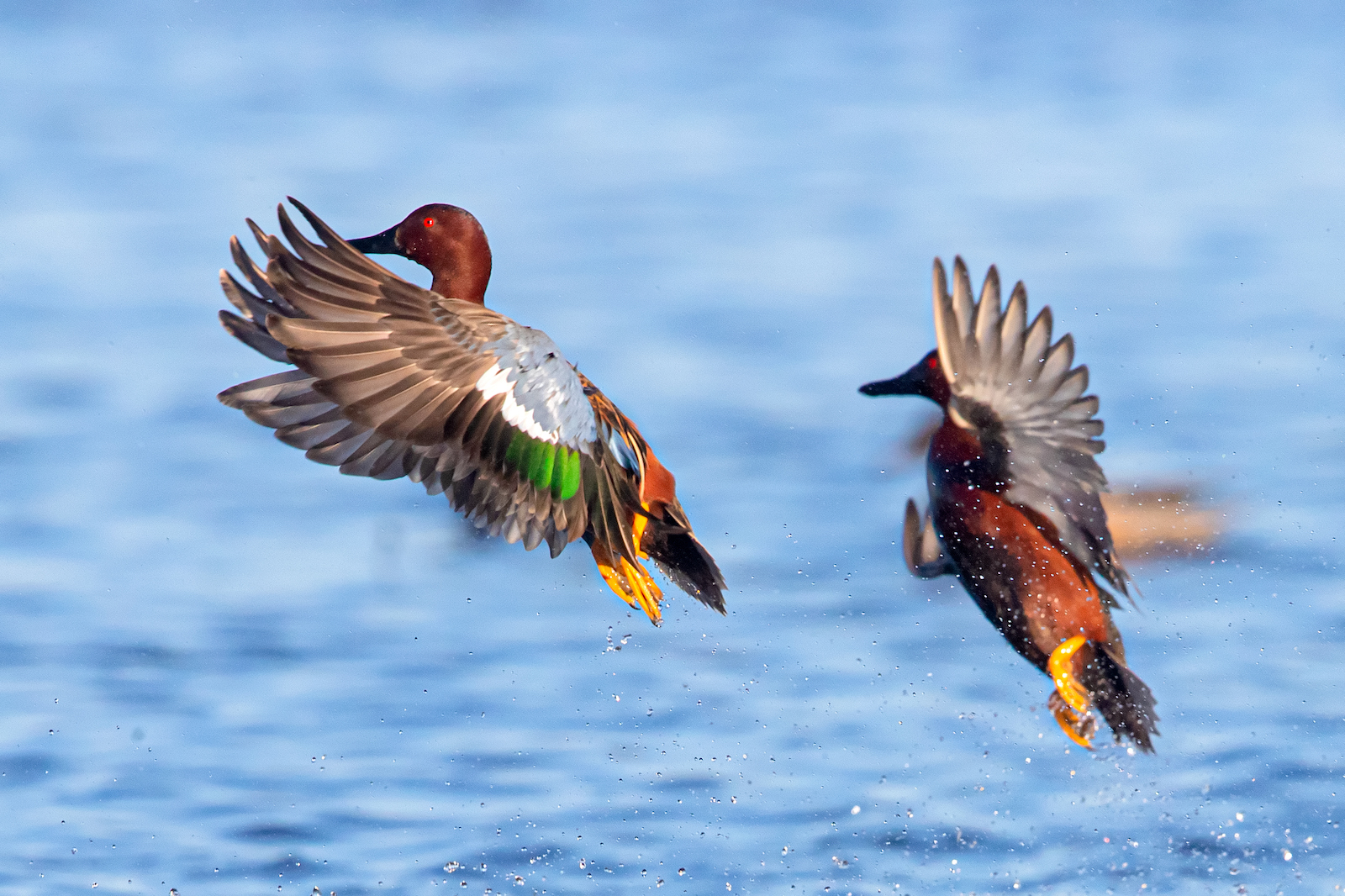
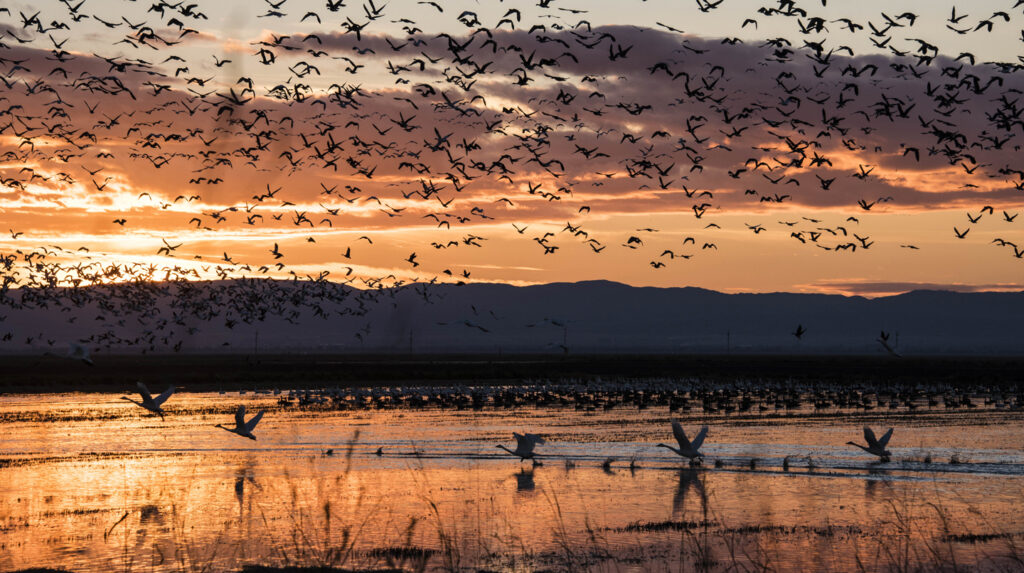
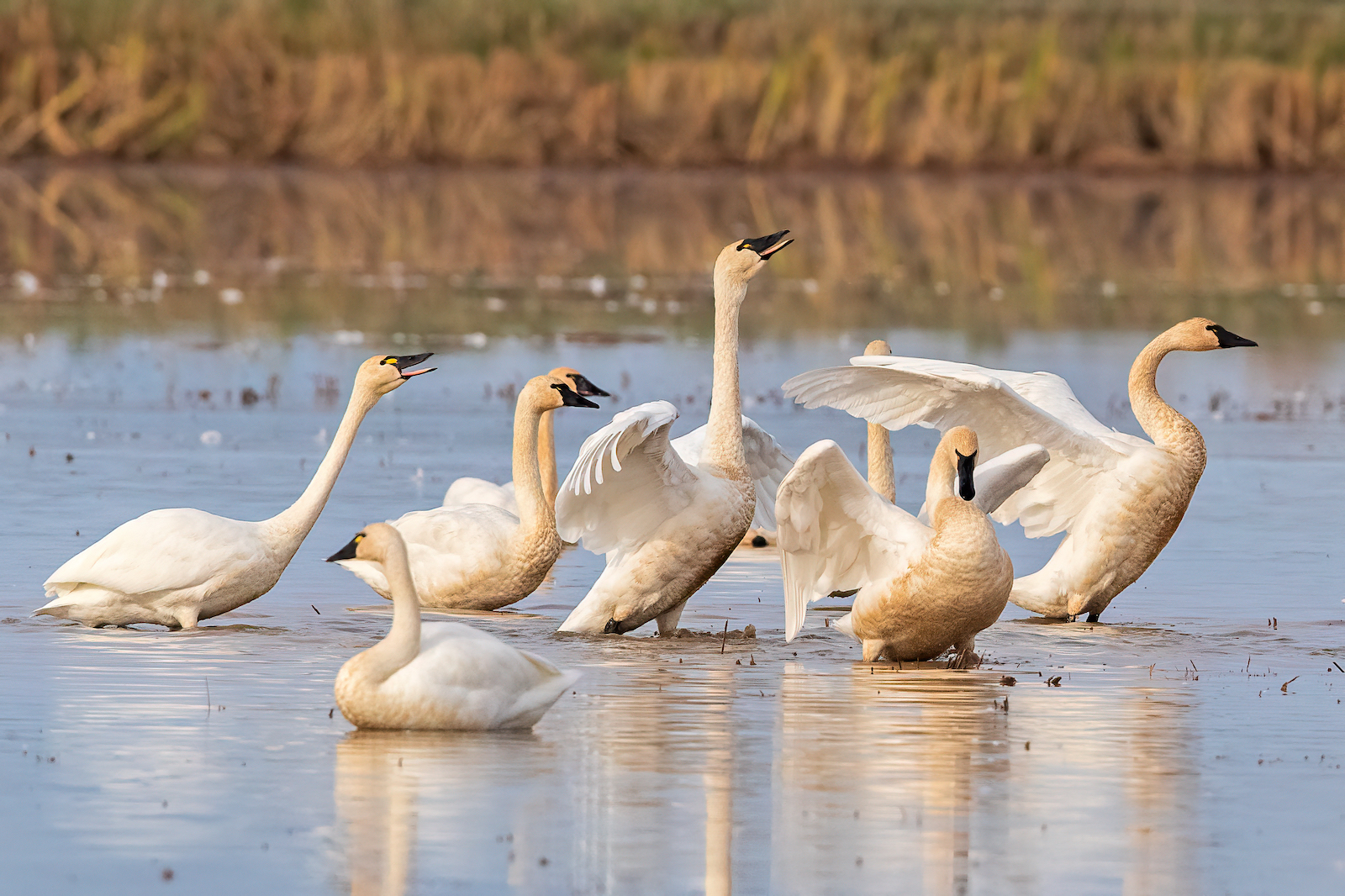
Every year 7-10 million ducks and geese innately travel to Northern California’s Sacramento Valley, spending the winter months in rice fields, relying on leftover rice grain as a primary food source enabling them to refuel before the next long journey.

Rice fields provide more than 60% of the diet for the millions of ducks, geese and other wintering waterfowl.
Swans
Ducks
Great takeoff 12616 SB
Salmon_Expertise

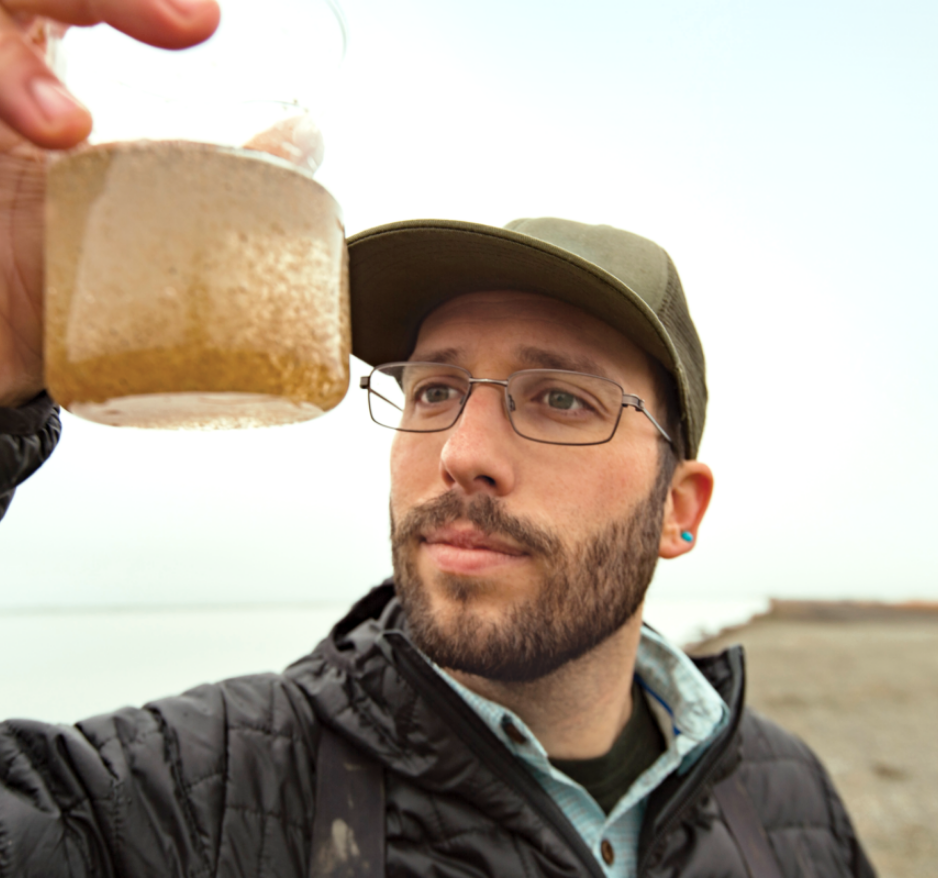
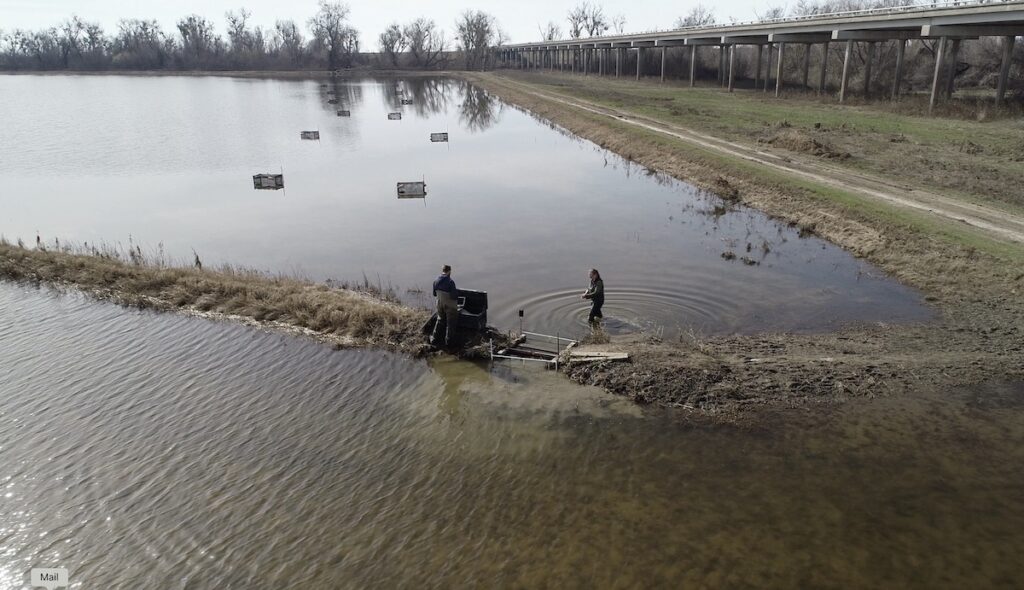
Winter flooded rice fields also create critical habitat space for waterfowl to rest and develops aquatic organisms known as “Zooplankton” which is a nutrient-dense food source for fish.

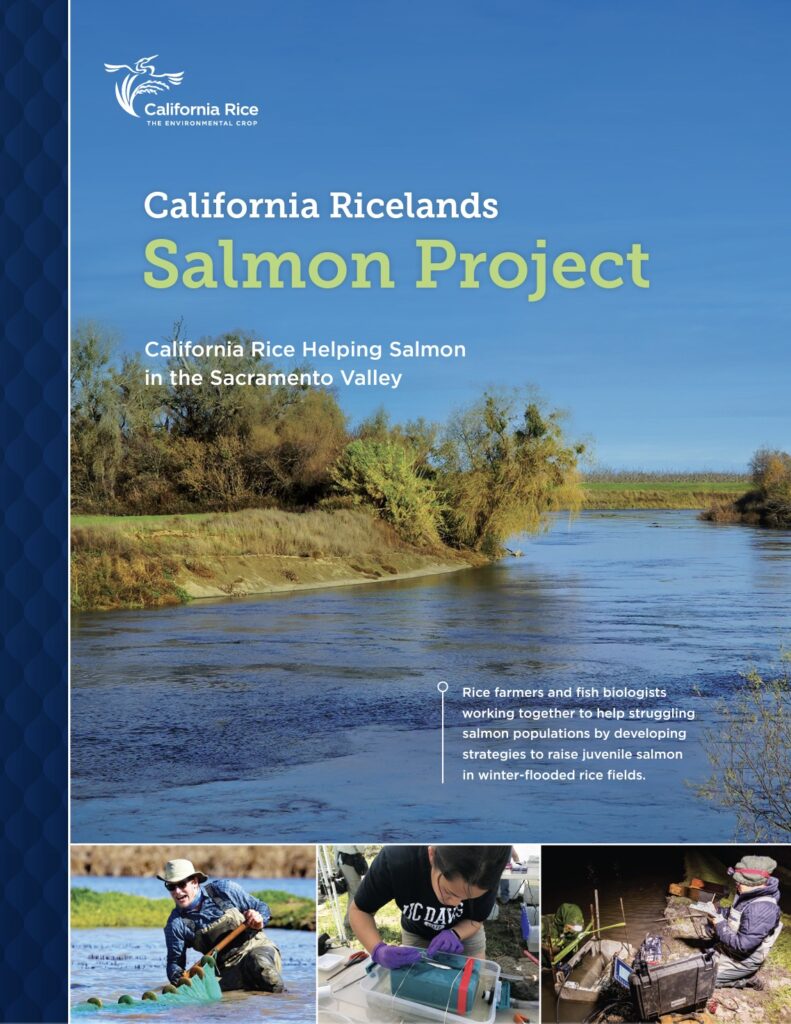
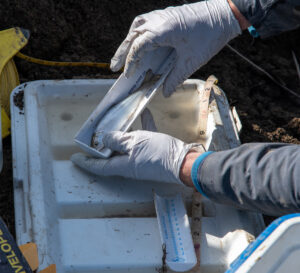
Continued yearly work between rice farmers and scientists indicates rice fields may hold the key to boosting the state’s dwindling salmon population, with rice fields creating nutrient-rich food for baby salmon.
Salmon project option 1
Salmon close up
Rice farms aerials, Wednesday, July 19, 2023.
Photo Brian Baer

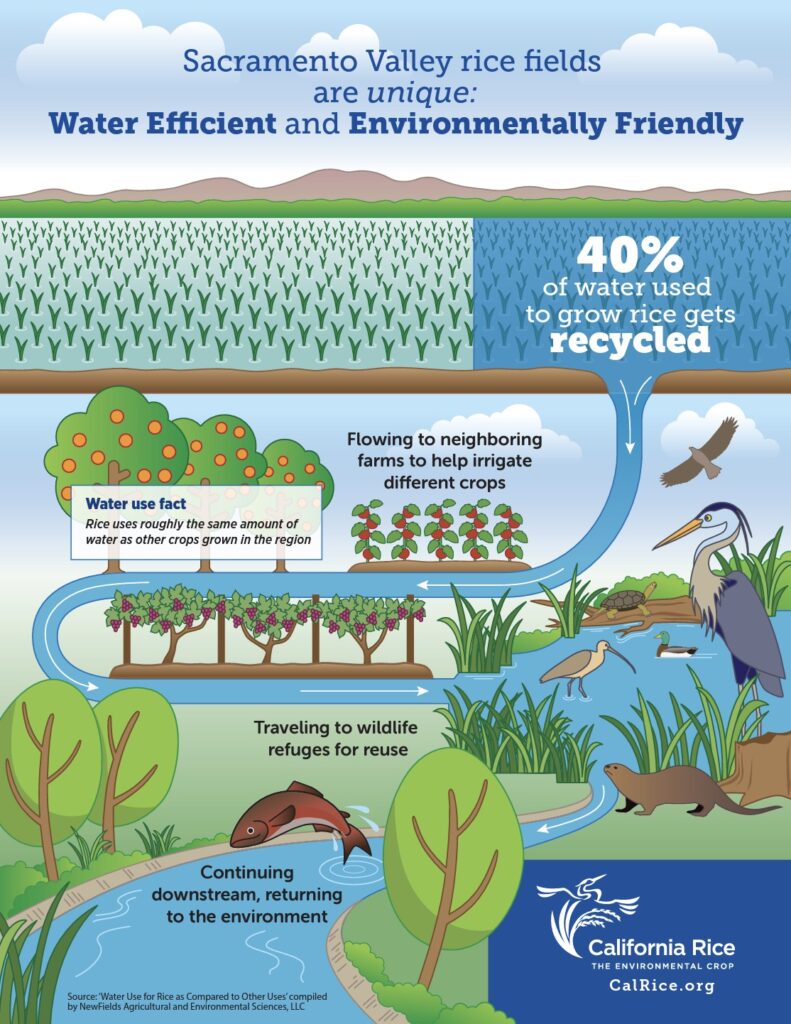
Planted rice fields are inherently multi-beneficial, with many others connected to the growing process. 40% of water used to grow rice gets recycled, flowing to neighboring farms to help irrigate other crops, traveling to wildlife refuges for reuse or continuing downstream returning to the environment.

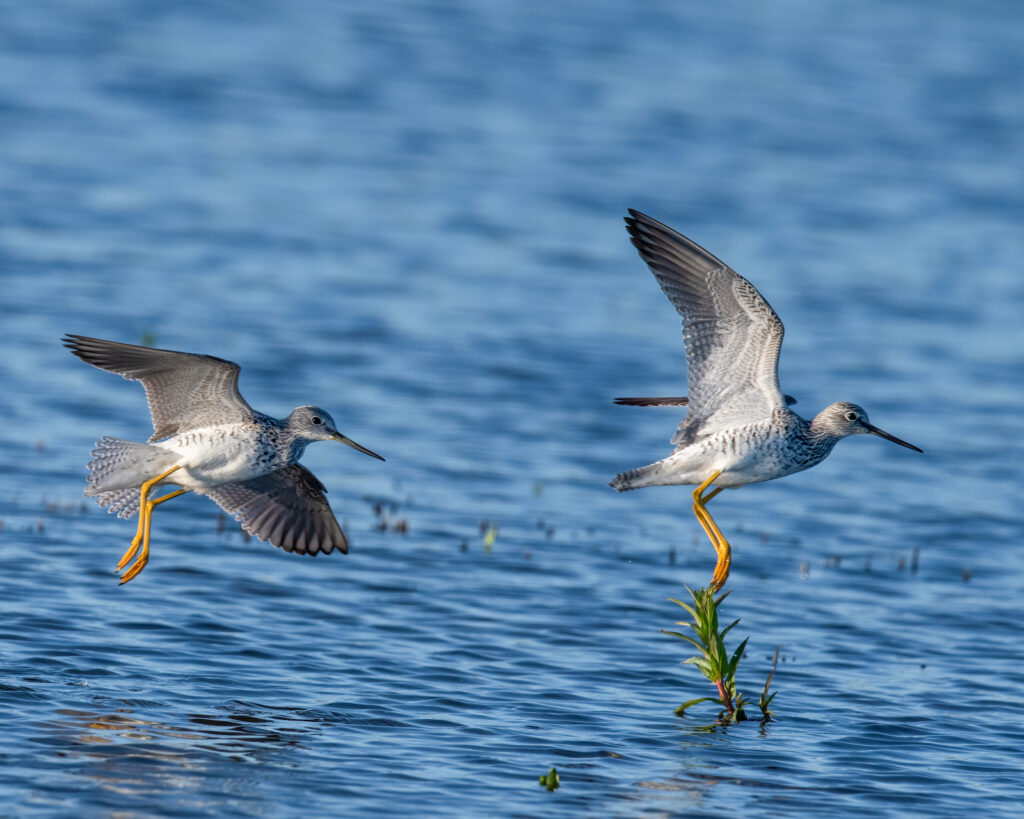
For two decades now, the Sacramento Valley has been designated as a Western Hemisphere Shorebird Reserve Network site of International Importance, with rice fields being recognized for their importance to shorebird populations along the Pacific Flyway.
Shorebirds

PDFs

Wildlife Known to use California Ricelands

Wildlife Known to use California Ricelands

Download
Helping Salmon in the Sacramento Valley 

Helping Salmon in the Sacramento Valley 

Download
Rice Recycles 40% of Water

Rice Recycles 40% of Water

Download

Videos

Saving salmon in California

Bypass flooding brings wild salmon to rice fields

Ricelands are the ‘Lifeblood' of Pacific Flyway

Connectivity for Wildlife

Unique California Crop

Water Efficient & Environmentally Friendly

California Rice Commission

SACRAMENTO, CA
(PH) 916.387.2264
(FAX) 916.387.2265

CONTACT US
  • People
    • Chefs
    • Blogger Profiles
    • Photo Gallery
  • Economic Impact
  • Places
    • California Ports
    • Contacts
    • Photo Gallery
  • Ricelands
  • Environmental Benefits
  • Wildlife
    • Habitat Value
    • Species List
    • Conservation Programs
    • Wildlife Guide
    • Interactive Rice Field
    • Photo Gallery
  • Sharing Butte Creek
  • Industry
    • How Rice Grows
    • Water Quality
    • Crop Protection
    • Air Quality
    • Statistics
    • About the CRC
    • Publications
    • Ask an Expert
    • GMO Testing
  • News
  • Blog
    • Rice News
  • Salmon
  • Photo Gallery
  • Recipes

© 2026 CALIFORNIA RICE COMMISSION

Facebook Twitter Instagram YouTube RSS