

Wildlife-Friendly Farming a California Rice Hallmark
By Luke Matthews
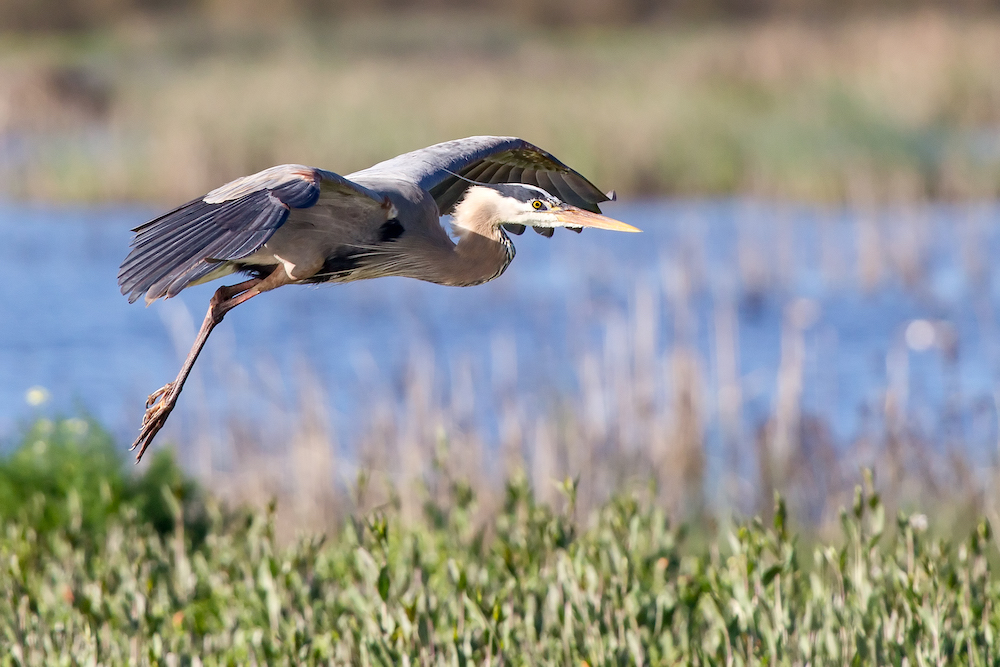
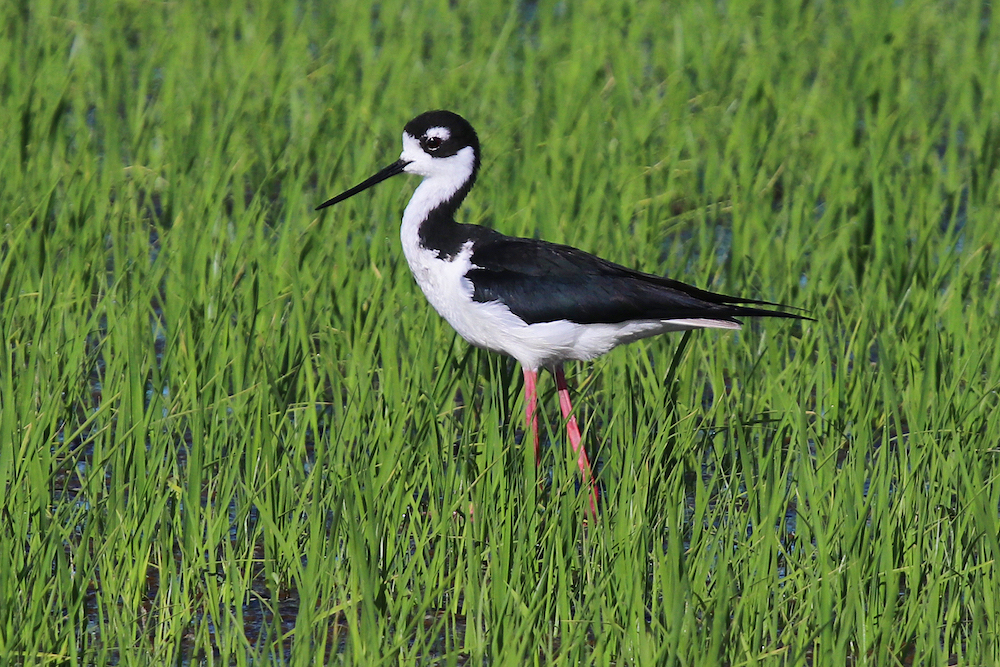
Rice farming is unique in that it has an amazing ability to provide wildlife benefits, while still producing high-quality food. Rice fields provide habitat for the threatened Giant Garter Snake and a wide range of waterbird species during the growing season (summer and early fall). These species range from small Black Terns, a species of special concern, to the ubiquitous and large Great Blue Herons.
Outside of the growing season, these fields can provide more vital habitat for wildlife, when they are managed in wildlife-friendly ways. However, managing these fields as wildlife habitat can create real costs for the farmer and provide them with little to no agronomic benefits. To help rice farmers provide this key habitat, there are a few conservation programs that they can enroll in. Here’s a list of some of the current conservation programs and efforts that are happening on Sacramento Valley ricelands.
Bid4Birds
Organization: California Ricelands Waterbird Foundation
Program Summary: Bid4Birds focuses on providing flooded habitat for migratory waterbirds outside of the normal winter flooding window (November – January). This program works with farmers willing to flood their fields during (February – April) or (August – October), providing key habitat during a time when it is most needed and scare on the landscape.
California Winter Rice Habitat Incentive Program
Organization: California Department of Fish and Wildlife (CDFW)
Program Summary: Supported by AB 2348, this program focuses on ensuring that levels of winter flooded rice fields are maintained throughout the region, to support migratory waterfowl in the Pacific Flyway. CDFW works with farmers willing to flood their fields during the winter for waterfowl habitat.
Pilot Salmon Project
Organization: California Rice Commission (CRC)
Program Summary: The CRC was awarded funding from the Natural Resource Conservation Service (NRCS) to purse a study focused on raising juvenile salmon in rice fields and tracking their migration survival. This project has been extremely successful and we are now looking to design a program for farmers to enroll in, and provide salmon habitat on their rice fields.
Regional Conservation Partnership Program (RCPP)
Organization: California Rice Commission (CRC)
Program Summary: The CRC was recently awarded RCPP funding from the Natural Resource Conservation Service (NRCS) to enroll rice farmers in a wide range of wildlife friendly practices. These practice vary from providing nesting habitat for waterfowl, planting native vegetation for the benefit of pollinators and upland birds, to creating shallow flooded habitat for migratory shorebirds.
Delayed Wheat Harvest Incentive Program
Organization: California Waterfowl Association (CWA)
Program Summary: This program provides incentive payments to wheat farmers who are willing to delay their harvest for the benefit of nesting ducks, which heavily utilize their wheat fields. While this is not a program in rice fields, it provides great benefits to waterfowl population in the rice growing region.
These current programs, along with a long history of rice farmers working with conservation organizations to create wildlife habitat on their farms, are why rice is known as The Environmental Crop.
Luke Matthews is the Wildlife Programs Manager for the California Rice Commission